
How To Prepare For Embryo Transfer
Surrogacy involves extensive medical preparation, ongoing communication across several parties, and a series of fertility treatments for both IPs and surrogates that all work together to support a healthy pregnancy. One of the most important milestones in this process is the embryo transfer. Whether it’s part of a fresh cycle or a frozen embryo transfer (FET), this step is often the moment everyone has been waiting for.
Preparing for the embryo transfer is incredibly meaningful because the choices made during this time can influence success rates and overall experience. And while no amount of preparation can guarantee a positive outcome, there are steps that can help optimize embryo quality, improve endometrial lining, and create the best possible environment for implantation. So today, I’m sharing a detailed roundup of things intended parents, gestational carriers, or anyone undergoing an IVF cycle can do to prepare for a successful transfer procedure.
How To Prepare For Embryo Transfer
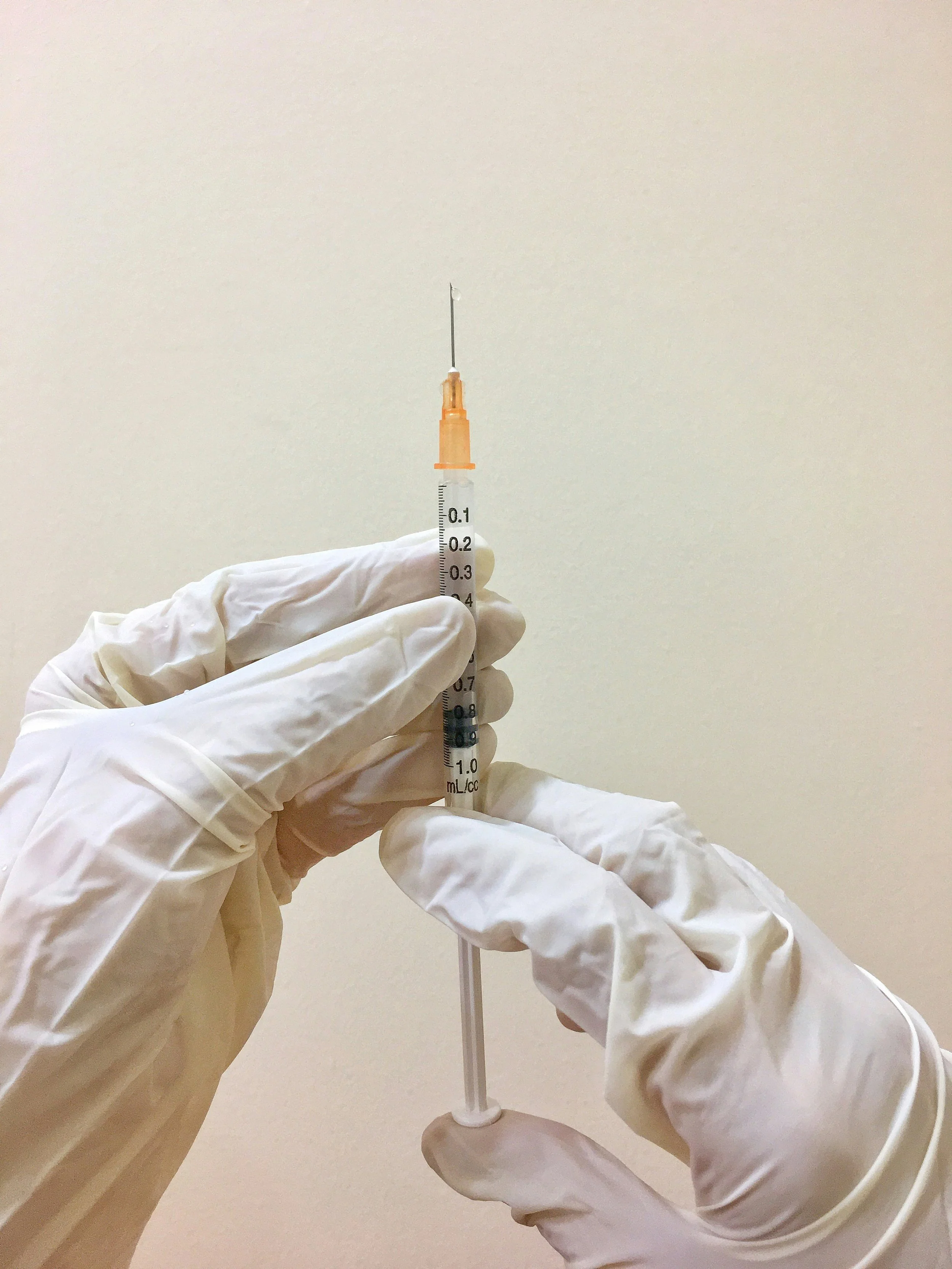
Understanding what an embryo transfer is and how it fits into the broader world of assisted reproductive technology is an important part of setting realistic expectations. This post breaks down the science, the practical preparation, and the emotional considerations that can help you feel more grounded throughout the process.
Whether you’re pursuing gestational surrogacy, working with a fertility specialist, or doing your own IVF cycle, my goal is to make this information clear, helpful, and empowering as you prepare for one of the most significant steps on the path to building a family. And if you’re wondering “how long after my egg retrieval will it be until the embryo transfer?!”, you can read more about that here: how long after egg retrieval is embryo transfer.
What Is an Embryo Transfer?
An embryo transfer is the final step of a vitro fertilization (IVF) cycle, where an embryo created from an egg and sperm outside the body is placed into the uterus. In a gestational surrogacy journey, this uterus belongs to the gestational carrier, who will carry the pregnancy but has no genetic connection to the baby.
The transfer procedure itself is usually quick, gentle, and minimally invasive. Using a thin catheter, the fertility specialist places one or more embryos into the uterine cavity, aiming for the ideal location for implantation. After this step, the embryo will hopefully attach to the endometrial lining and begin to grow.
Embryo transfers can happen after preimplantation genetic testing (PGT), which evaluates embryos for chromosomal conditions and can help identify the most viable embryos. This can contribute to improved embryo quality and, in some cases, higher live birth rates.
Ultimately, the embryo transfer is a crucial point in the IVF process—one that blends medical precision, emotional investment, and a great deal of hope.
Types Of Embryo Transfer
Different types of embryo transfers are used depending on the situation, timing, embryo development, and personal or medical preferences. Understanding these types can help make your experience smoother and more informed.
Fresh Embryo Transfer
A fresh embryo transfer happens during the same cycle as the egg retrieval. After fertilization, an embryo is monitored for several days—typically until day 3 or day 5—and then transferred into the uterus without freezing.
Fresh transfers rely on the body’s natural hormonal state following stimulation. This timing can feel more fast-paced because the embryo transfer follows shortly after the retrieval, which is why preparation and hormonal balance matter.
Frozen Embryo Transfer (FET)
A frozen embryo transfer (FET) uses embryos that were previously created and then frozen. This type of transfer is common in both traditional IVF cycles and gestational surrogacy because it allows more flexibility for scheduling and more control over optimizing the uterine environment, as well as time for genetic testing.
With a FET, the fertility team precisely coordinates hormone levels, endometrial lining thickness, and timing. Many patients also undergo preimplantation genetic testing before freezing, which can improve embryo selection and, in some cases, boost IVF success.
How To Prepare For a Fresh Embryo Transfer
Preparing for a fresh embryo transfer is all about supporting your body during a time when hormone levels are fluctuating after stimulation. Here are essential tips:
Follow All Medication Instructions Closely
After egg retrieval, you may be prescribed progesterone or other medications to support the lining and prepare for implantation. Taking your medications exactly as directed is crucial for a successful transfer procedure. Missing doses can affect the uterine environment and overall success rates.
Prioritize Rest While Staying Moderately Active
Your body is recovering from egg retrieval, so rest is important—but light movement helps maintain healthy blood flow. Gentle walking or stretching can support endometrial health without placing strain on the body. Complete bed rest is generally not recommended unless your fertility specialist advises otherwise.
Hydrate Consistently
Staying hydrated helps regulate hormones, support blood flow, and reduce bloating after retrieval. Water is especially important during the later stages of stimulation when the body may feel taxed.
Eat Balanced, Anti-Inflammatory Meals
Focus on nutrient-rich foods that support circulation, hormone balance, and cellular health. Lean proteins, fiber, leafy greens, and foods high in omega-3s can all support a healthy endometrial lining. Avoiding excessive sodium and processed foods can also reduce swelling and discomfort.
Reduce Stress Wherever Possible
A fresh transfer cycle can feel overwhelming. Stress isn’t always avoidable, but developing a calming routine—like meditation, journaling, or short walks—can create a more peaceful environment for your body to receive an embryo. Even 10 minutes of intentional relaxation can make a difference.
How To Prepare For Frozen Embryo Transfer
Preparation for a frozen embryo transfer (FET) is more controlled, which often helps fertility specialists tailor the uterine environment for the highest chance of implantation. Here are key guidelines:
Follow Your Hormone Protocol Carefully
FET cycles are often dependent on estrogen and progesterone levels. These hormones help build and stabilize the endometrial lining. Following your medication schedule—even when it feels repetitive—is one of the most important parts of preparing for a FET.
Attend All Monitoring Appointments
Your fertility clinic will monitor your lining thickness and hormone levels to determine the perfect transfer window. These appointments often feel frequent, but each one helps ensure that the timing is ideal for implantation.
Support Blood Flow Through Gentle Movement
Improving blood flow to the uterus is a key part of preparing for a successful FET. Low-impact exercise—like walking, yoga, or pelvic stretches—supports circulation without creating stress or inflammation.
Adopt Healthy Daily Habits
Sleep, hydration, and balanced nutrition all play important roles in supporting embryo quality and implantation potential. While nothing guarantees results, maintaining healthy daily routines can help your body function at its best during this phase of assisted reproductive technology.
Plan for a Calm Transfer Day
A relaxed mind supports a relaxed body. Plan your transfer day ahead of time so you don’t feel rushed or overwhelmed. Wear comfortable clothes, bring something soothing to pass the time, and lean on your support system if you need extra reassurance.
Preparing for an embryo transfer is one of the most emotional and hopeful moments in the entire surrogacy journey or IVF cycle. Whether you’re navigating a fresh embryo transfer or a frozen embryo transfer, understanding the process and taking steps to optimize your health can help improve your overall experience.
No one can control every outcome, but you can set yourself up with supportive habits, good communication with your fertility specialist, and an understanding of how assisted reproductive technology works. Each of these steps plays a role in supporting the best possible environment for implantation and, hopefully, a healthy long-term pregnancy with strong live birth rates.