
What To Eat After an Egg Retrieval
The egg retrieval process is a major milestone in any fertility or surrogacy journey. But once the egg retrieval procedure is complete, the focus often shifts quickly to what comes next, and recovery can sometimes be treated as an afterthought.
In reality, preparing for and recovering from egg retrieval are equally as important. The body has just gone through hormonal changes, anesthesia, and a medical procedure that can impact how you feel physically and emotionally. Taking care of yourself after an egg retrieval can help speed up the recovery process, reduce side effects, and support overall well-being. Nutrition, in particular, is often overlooked during recovery after an egg retrieval, even though it can make a meaningful difference in how quickly and comfortably your body rebounds. Today, I’m sharing a thoughtful roundup of what to eat after egg retrieval and how food choices can support healing, hydration, and balance in the days that follow.
What To Eat After Egg Retrieval
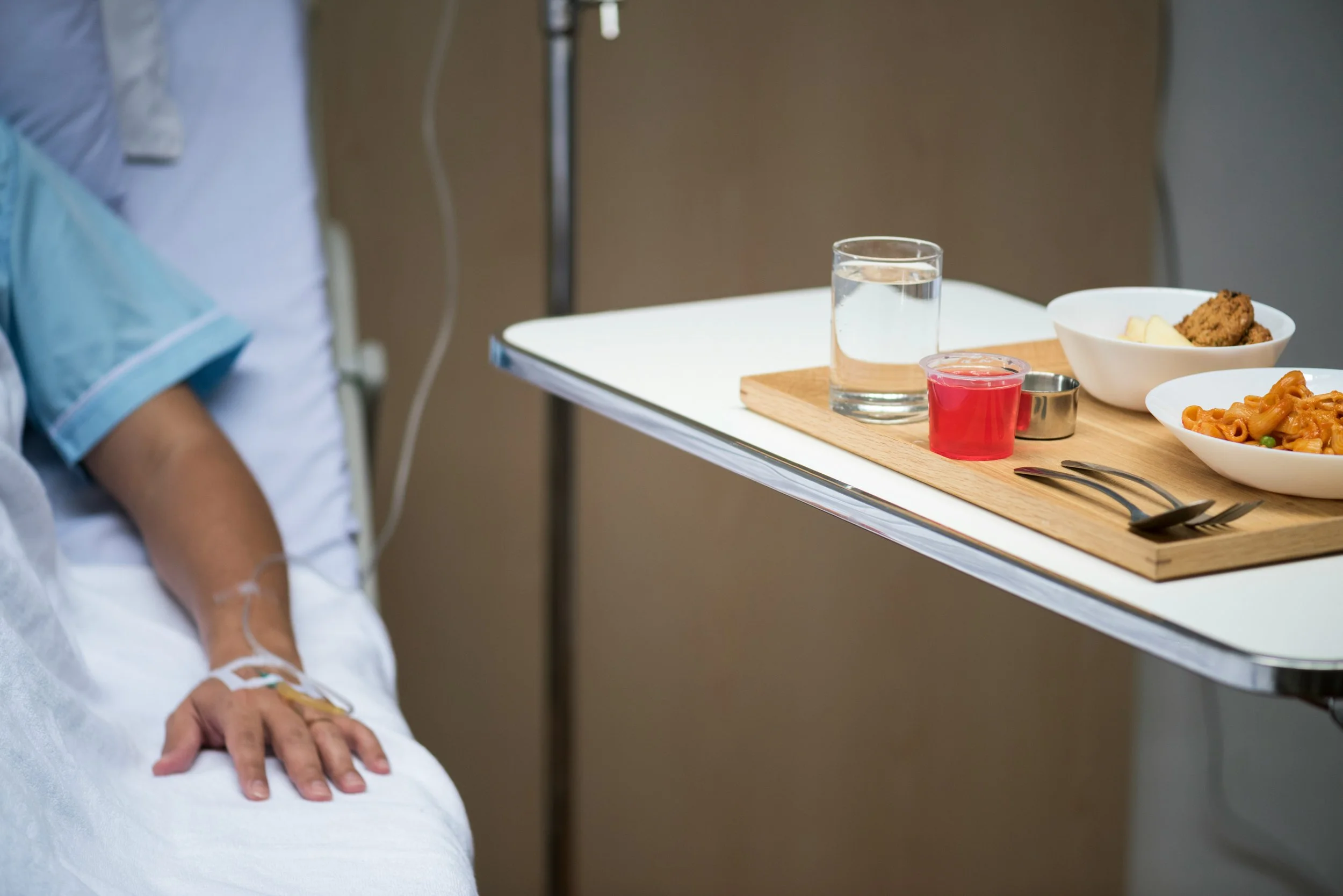
Understanding what happens in your body post egg retrieval can help you appreciate the role that good nutrition plays in recovery. After retrieval, hormone levels shift, fluid balance can change, and inflammation may occur as your ovaries begin to settle back into their normal state. Choosing the right foods can help reduce discomfort, support digestion, and replenish nutrients that were used during ovarian stimulation.
This post is designed to be both helpful and informative. Whether you are navigating egg freezing, IVF, or surrogacy, knowing what to eat after egg retrieval can help you feel more empowered during recovery and more in tune with your body’s needs.
What To Expect After Egg Retrieval
After the egg retrieval procedure, it is common to experience mild symptoms as your body adjusts. Many people report bloating, mild discomfort, cramping, fatigue, and tenderness in the abdomen. These side effects are common and typically resolve within a few days. Because the retrieval is performed after ovarian stimulation, the ovaries are temporarily enlarged, which can contribute to pressure or a feeling of fullness.
Some individuals may also experience constipation and/or nausea from anesthesia, or emotional fluctuation as hormone levels change. These symptoms can occur after the procedure even if it went smoothly and resulted in healthy, mature eggs. Your provider may recommend rest, hydration, and avoiding strenuous activities during this initial recovery window.
How Long Does It Take To Recover After Egg Retrieval
Recovery timelines vary, but most people feel noticeably better within a few days. For many, mild discomfort improves within 48–72 hours, while bloating can take up to a week to fully resolve. Full recovery after a egg retrieval depends on how your body responds to ovarian stimulation, how many mature eggs were retrieved, and whether any complications arise.
Eating the right foods during this time can help speed up recovery by supporting digestion, reducing inflammation, and maintaining fluid balance. Staying nourished and listening to your body can make a significant difference in how you feel post egg retrieval. If you are planning the next steps in treatment, such as an embryo transfer, you may also find it helpful to read more about how long after egg retrieval is embryo transfer as part of your overall timeline.
Can You Eat After an Egg Retrieval
Yes, you can and should eat after an egg retrieval! In fact, fueling your body is an important part of healing. While appetite may be lower immediately following anesthesia, starting with light, nourishing foods and gradually returning to normal meals is encouraged. Focus on foods that are easy to digest, hydrating, and rich in nutrients.
Rather than forcing specific foods, it’s important to listen to your body. Pay attention to hunger cues, fullness, and how different foods make you feel. Some people feel best eating smaller, more frequent meals during the first few days post egg retrieval.
What Foods To Eat After an Egg Retrieval
Protein-Rich Foods
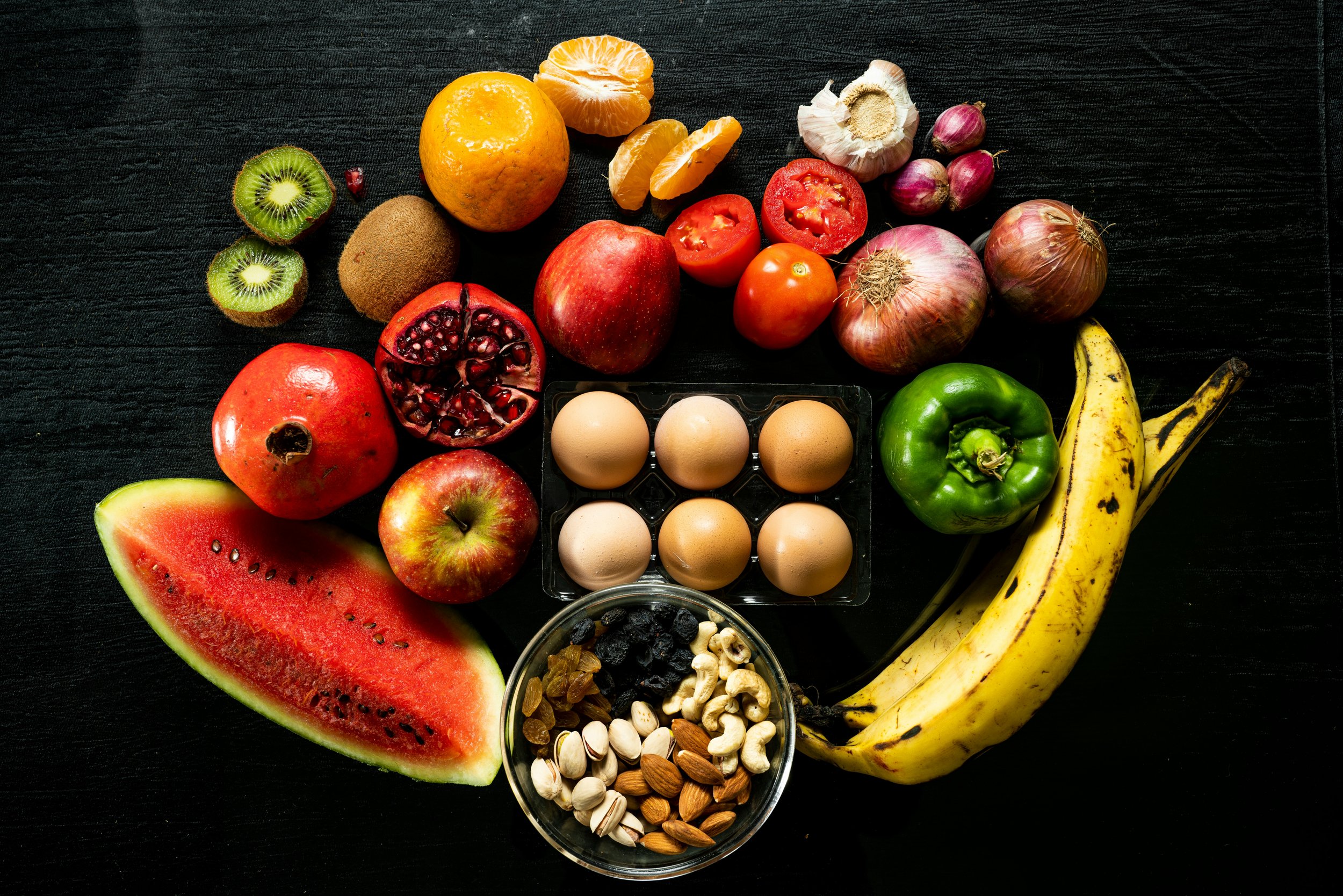
Protein plays a key role in tissue repair and fluid balance, both of which are essential during recovery after an egg retrieval. Lean animal proteins like eggs, chicken, turkey, and fish are excellent options, as well as plant based protein sources such as lentils, beans, tofu, and tempeh. Aim to include protein with each meal to support healing and stabilize energy levels.
Salty Foods and Electrolytes
After ovarian stimulation, fluid shifts can occur. Salty foods can help maintain proper fluid balance and reduce bloating. Broths, soups, olives, pickles, and electrolyte drinks can be helpful, particularly in the first few days post egg retrieval. Just be mindful of overall balance and avoid overly processed foods.
Healthy Fats
Healthy fats are an important part of an anti-inflammatory diet. Foods rich in omega-3 fatty acids, such as salmon, sardines, walnuts, flaxseeds, and chia seeds can help reduce inflammation and support hormone balance. Including healthy fats also helps with nutrient absorption and satiety during recovery.
Fruits, Vegetables, and Whole Grains
Fruits, vegetables and whole grains provide fiber, antioxidants, and essential vitamins that support digestion and immune health. Constipation is a common post egg retrieval complaint, especially after anesthesia, and fiber-rich foods can help keep things moving. Focus on gentle options like cooked vegetables, berries, oatmeal, quinoa, and brown rice if your digestion feels sensitive.
Hydrating Foods and Fluids
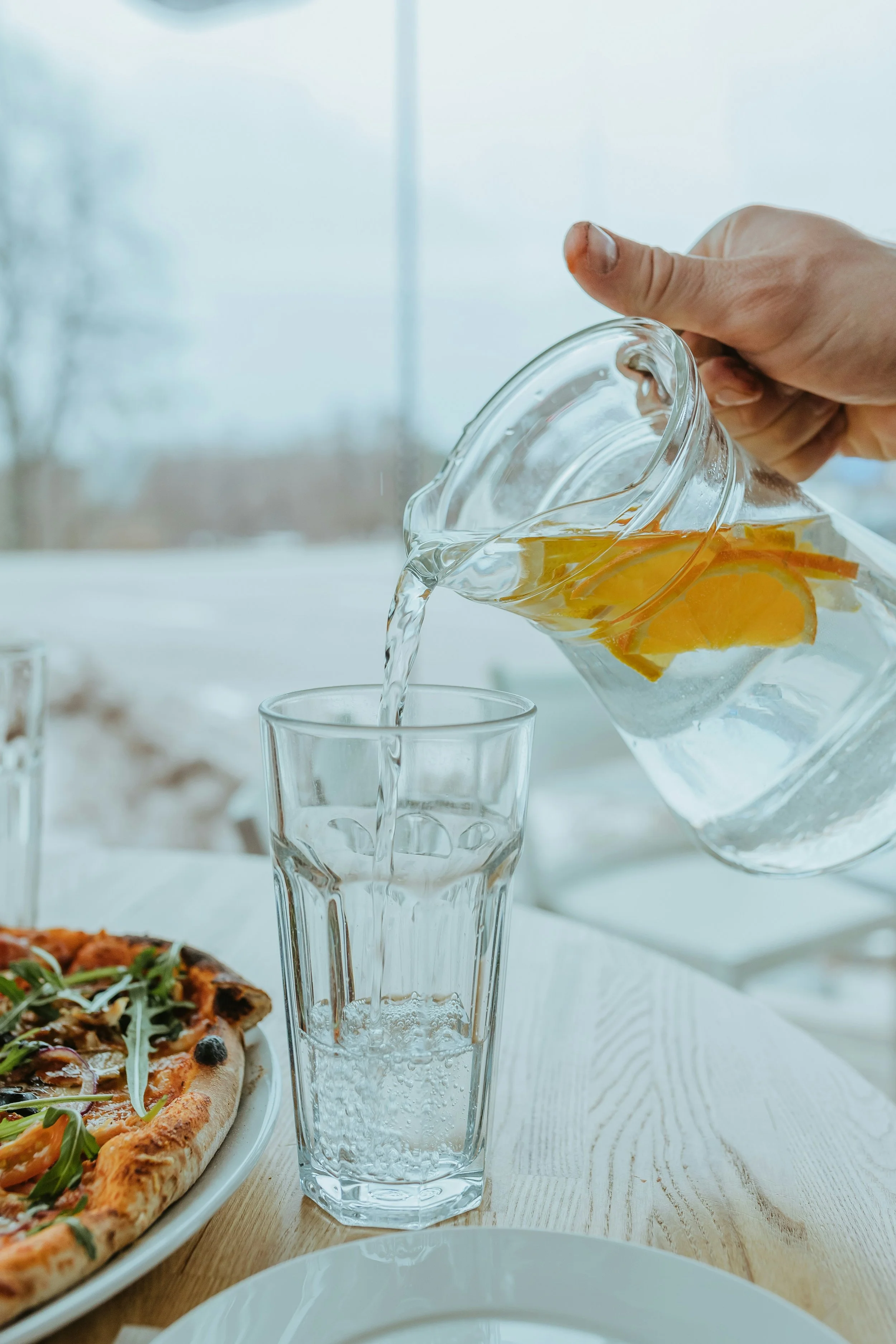
It is essential to stay hydrated after egg retrieval. Water should be your primary beverage, but herbal teas, coconut water, and broths can also support hydration. Hydrating foods such as cucumbers, watermelon, soups, and smoothies can help maintain fluid levels without feeling overwhelming. Staying hydrated can ease bloating, reduce headaches, and support overall recovery.
Anti-Inflammatory Foods
An anti-inflammatory approach to eating can support healing and reduce discomfort. In addition to omega-3 fatty acids, include foods like turmeric, ginger, leafy greens, berries, olive oil, and green tea. These foods can help calm inflammation that may occur after egg retrieval and support the body’s natural healing processes.
What Not To Eat After an Egg Retrieval
While no food is completely off-limits, it may be helpful to limit processed foods during recovery after egg retrieval. Highly processed foods can contribute to inflammation, bloating, and digestive discomfort. Excessive sugar, fried foods, and alcohol may worsen side effects and slow recovery. Instead, prioritize whole, nutrient-dense foods that support healing and energy.
Post egg-retrieval recovery is a time to slow down, avoid strenuous activities, and give your body the care it deserves. Nutrition plays a powerful role in how you feel during this phase, even though it is often overlooked. Whether you are pursuing egg freezing, IVF, or surrogacy, focusing on what you eat after egg retrieval can support comfort, healing, and confidence as you move forward. Above all, listen to your body. Everyone’s experience is different, and tuning in to what feels supportive for you is key. With thoughtful nutrition, hydration, and rest, most people find that recovery after egg retrieval is manageable and temporary — another meaningful step on the path to building a family.